
The global HDPE pipe fittings market is experiencing significant growth, with a notable increase in demand for various types of brass and bronze parts for valves and brass fittings for PEX and PEX-AL-PEX pipe systems. The market is driven by the rising need for durable and reliable pipe fittings for hot and cold water installations in residential, commercial, and industrial sectors.
The HDPE pipe fittings market is witnessing a surge in demand for high-density polyethylene (HDPE) fittings due to their superior performance and long-term durability. HDPE pipe fittings are widely used in water supply, sewage and wastewater systems, gas distribution, and other industrial applications. The material's high flexibility, corrosion resistance, and low maintenance requirements make it an ideal choice for various piping systems.
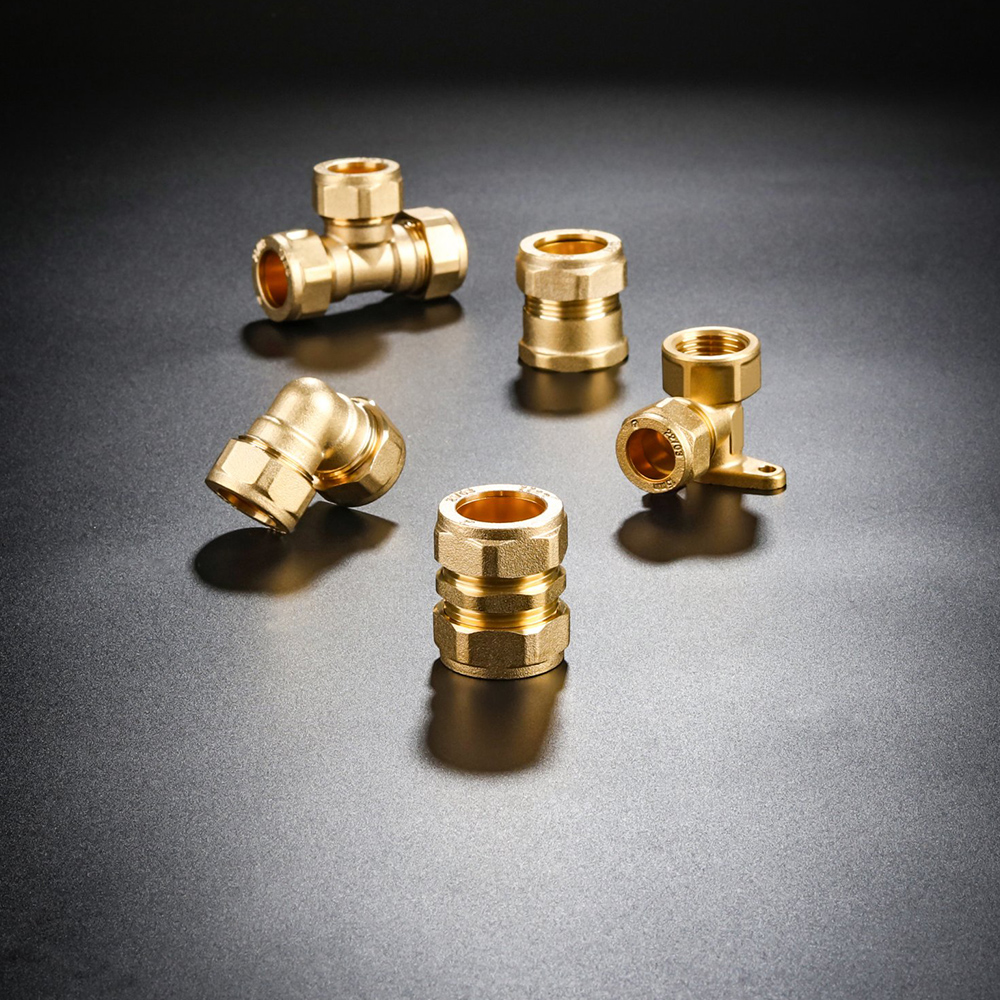
One of the leading manufacturers in the industry is a company that specializes in producing a wide range of brass and bronze parts for valves, brass fittings for PEX and PEX-AL-PEX pipe systems. Their product line includes straight union, elbow, tee, wall-plated elbow, brass valves, and relevant assembly tools. The company boasts a strong commitment to quality and customer satisfaction, ensuring that their products meet the highest industry standards.
The demand for brass and bronze parts for valves and brass fittings for PEX and PEX-AL-PEX pipe systems is being driven by several key factors. Firstly, the increasing construction activities in both residential and commercial sectors are fueling the demand for reliable piping systems. The need for efficient water supply and drainage networks, as well as gas distribution systems, is propelling the growth of the HDPE pipe fittings market.
Furthermore, the growing awareness of the importance of sustainable and environmentally friendly piping solutions is driving the adoption of HDPE pipe fittings. HDPE is a recyclable material, making it an attractive option for environmentally conscious consumers and businesses. The material's resistance to corrosion and chemical degradation also contributes to its growing popularity in various applications.
In addition to the demand for HDPE pipe fittings in traditional construction projects, the market is also benefitting from the increasing use of HDPE pipe fittings in industrial applications. The material's ability to withstand high-pressure environments, resistance to abrasion, and low friction loss make it an ideal choice for industrial piping systems. As a result, the demand for HDPE pipe fittings in industrial applications is expected to grow significantly in the coming years.
The global HDPE pipe fittings market is characterized by intense competition, with key players focusing on product innovation and development to gain a competitive edge. Manufacturers are investing in research and development efforts to introduce advanced HDPE pipe fittings that offer enhanced performance and durability. Additionally, strategic partnerships, collaborations, and mergers and acquisitions are becoming increasingly prevalent in the market as companies seek to expand their product offerings and market presence.
Looking ahead, the HDPE pipe fittings market is poised for substantial growth, driven by the increasing demand for durable and reliable piping solutions across various sectors. The ongoing technological advancements in the manufacturing of HDPE pipe fittings, coupled with the rising emphasis on sustainability and environmental conservation, are expected to further propel the market's expansion in the coming years.
In conclusion, the global HDPE pipe fittings market is experiencing robust growth, with a notable increase in demand for brass and bronze parts for valves and brass fittings for PEX and PEX-AL-PEX pipe systems. The market's growth is driven by the rising need for durable and reliable piping solutions in construction, industrial, and residential applications. With the increasing focus on sustainability and technological advancements, the HDPE pipe fittings market is set to witness significant developments and opportunities in the foreseeable future.